

Knee Cartilage
Demo Author One
Cartilage repair options for lasting joint health
A practical overview of cartilage repair, injection therapy, rehabilitation planning, and the clinical evidence that guides joint preservation care.

Regeneration or relief
Hyaluronic acid lubricates the joint for short-term relief; Mytocel MSK delivers your own repair cells to support regeneration. Here is why they are for different goals, and how to choose.
 Reviewed byProfessor Paul Lee MBBch, FRCS (Tr & Orth), PhDCartilage and joint preservation expertise
Hyaluronic acid is a lubricating gel injected to ease friction and stiffness. It is symptom relief, not regeneration, its effect is temporary, and it is from about £1,200. Mytocel MSK delivers your own repair cells to support regeneration, from £3,000. They are for different goals, so the right choice depends on whether you want short-term relief or to put your own cells to work.
Both are genuine options at London Cartilage Clinic. Hyaluronic acid is short-term lubrication; Mytocel MSK is a regenerative step using your own cells.
| What to compare | Hyaluronic acid | Mytocel MSK |
|---|---|---|
| What it is | A lubricating gel injected into the joint | Living micrografts made from your own cells |
| What it does | Eases friction and stiffness to relieve symptoms | Delivers your own repair cells to support natural regeneration |
| Is it regenerative | No, it does not aim to regrow tissue | Yes, it aims to support your own repair |
| How long the effect lasts | Temporary; the gel is gradually absorbed and injections may be repeated | A single session, with benefit reported over the longer term |
| Made from your own tissue | No, it is a manufactured gel | Yes, your own cells |
| Surgery | No, an injection | No, an injection |
| Cost at the clinic | From about £1,200 | From £3,000 |
Both are offered at London Cartilage Clinic; this is a genuine choice between two different goals, not a takedown of hyaluronic acid.
Hyaluronic acid is a well-established, genuinely useful injection, and a real option here. For the right situation, easing friction and stiffness for a period can make a joint far more comfortable. Its nature is symptom relief: the gel lubricates, is gradually absorbed and can be repeated, but it does not set out to regrow tissue. Mytocel MSK is a different tool for a different goal, delivering your own repair cells to support regeneration in a single session. Because we offer both, the consultation is a genuine question of what you are trying to achieve, not a sales pitch for one.
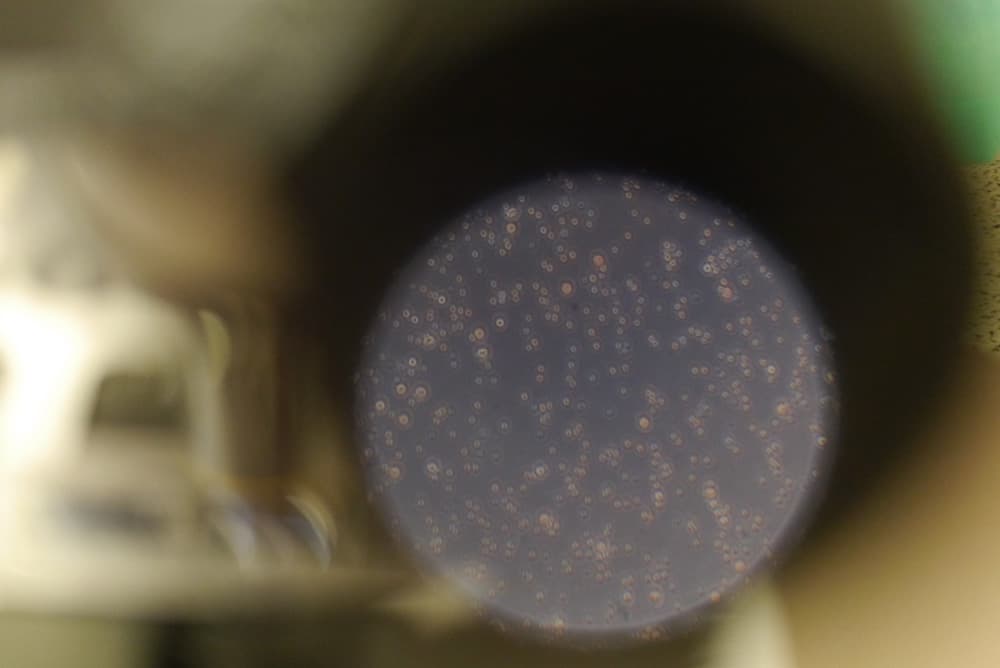

Hyaluronic acid is a lubricating gel injected into the joint to ease friction and stiffness. It is symptom relief: it makes the joint more comfortable for a while but does not aim to regrow tissue. Mytocel MSK is different in kind. It delivers your own repair cells, prepared into living micrografts, to support natural regeneration. They are for different goals rather than being better or worse versions of the same thing.
No. Hyaluronic acid lubricates and cushions the joint, which can reduce pain and stiffness, but it is not a regenerative treatment and does not set out to rebuild cartilage. Mytocel MSK is the regenerative option, putting your own repair cells to work. If lubrication and short-term relief are what you need, hyaluronic acid is a genuine choice; if the goal is regeneration, Mytocel MSK is the different tool.
Hyaluronic acid gives temporary relief; the gel is gradually absorbed, so the effect fades and the injection may be repeated. Mytocel MSK is given as a single session, and benefit from this kind of autologous micrografting has been reported over the longer term. Individual results vary with the joint, the extent of wear and your general health.
Usually, yes, because they are doing different jobs. Hyaluronic acid is from about £1,200 and is symptom relief, while Mytocel MSK is from £3,000, the same across joints, and is a regenerative treatment using your own cells. The right comparison is not price alone but what you are trying to achieve, short-term comfort or supporting your own repair.
It depends on your goal, and that is settled on examination and imaging. For short-term lubrication and pain relief, hyaluronic acid may suit you. To put your own repair cells to work and support regeneration, Mytocel MSK is the option. Professor Lee will set out both honestly. To check where you sit, see who Mytocel MSK is for.
Still have more specific concerns?
Free Discovery CallOptions that our doctors may discuss include NanoACi, ChondroFiller, Mytocel MSK, joint replacement, established conservative care or surgery, depending on examination and imaging.
The fairest next step is a review of your imaging. Start with a free discovery call, or book a consultation with Professor Lee, who will set out whether hyaluronic acid or Mytocel MSK fits your goal for the joint.
London Cartilage Clinic
Clinical updates, cartilage treatment guidance, and recovery-focused articles from our specialist team.
A practical overview of cartilage repair, injection therapy, rehabilitation planning, and the clinical evidence that guides joint preservation care.
A practical overview of cartilage repair, injection therapy, rehabilitation planning, and the clinical evidence that guides joint preservation care.
A practical overview of cartilage repair, injection therapy, rehabilitation planning, and the clinical evidence that guides joint preservation care.