

Knee Cartilage
Demo Author One
Cartilage repair options for lasting joint health
A practical overview of cartilage repair, injection therapy, rehabilitation planning, and the clinical evidence that guides joint preservation care.
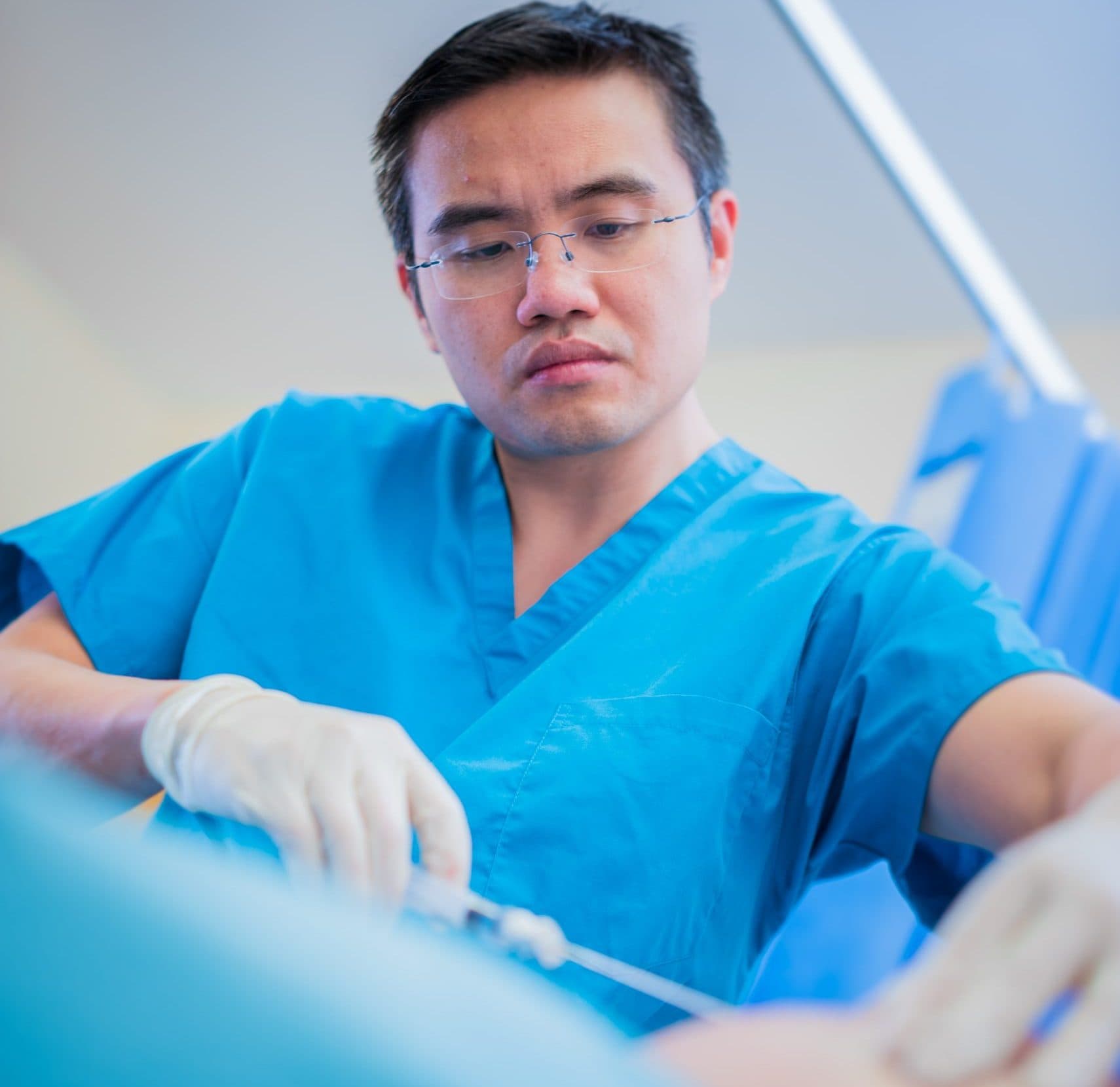
Regenerative micrograft injection
Your own repair cells, in a single session
Mytocel MSK treats earlier joint wear using your own cells. A small sample of your tissue is processed chair-side into living micrografts and injected in one appointment, without surgery. Professor Paul Lee is among the first in the UK to offer the Mytocel MSK version of this established micrografting technology.
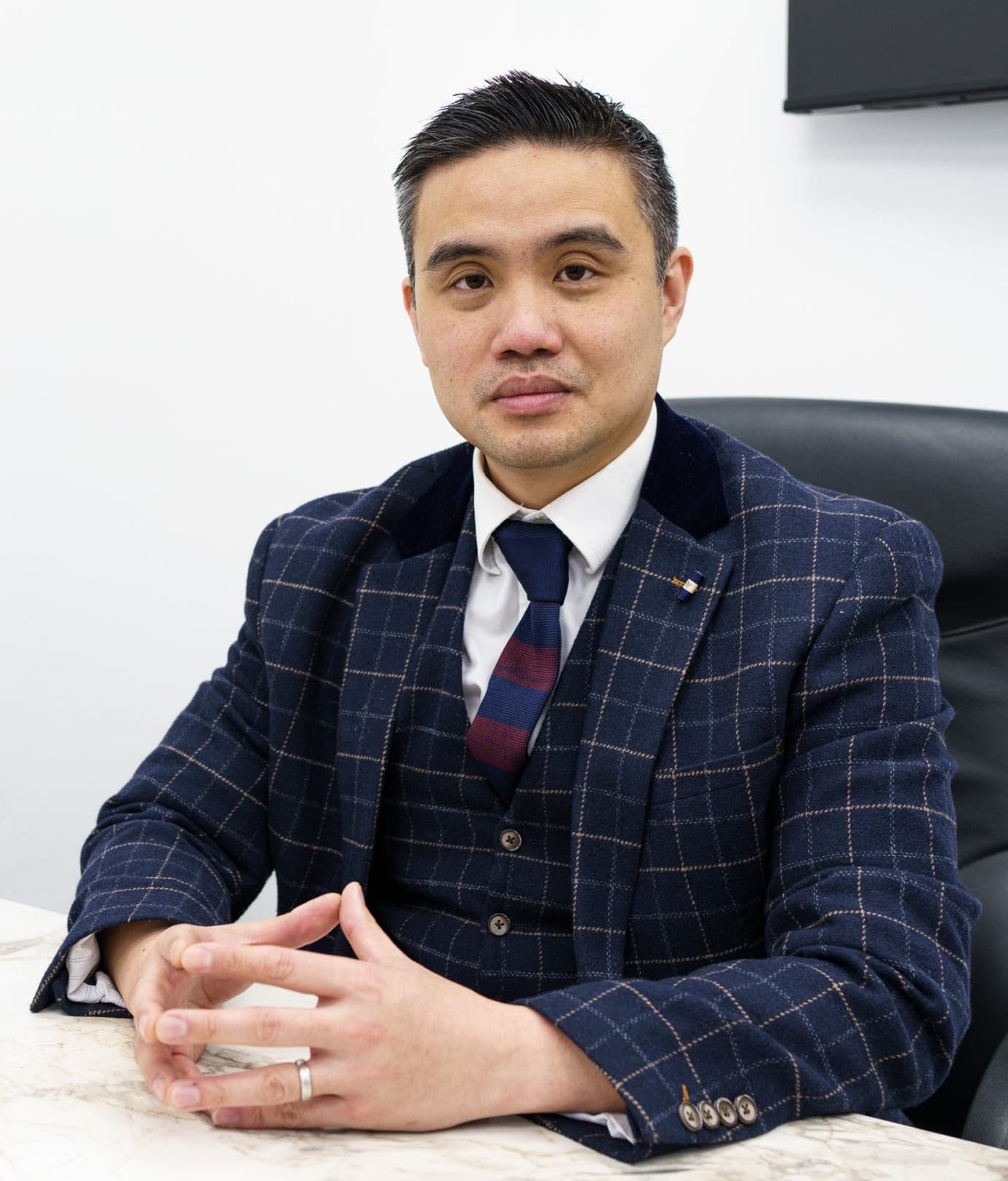 Reviewed byProfessor Paul Lee MBBch, FRCS (Tr & Orth), PhDCartilage and joint preservation expertise
Mytocel MSK is a regenerative injection made from your own cells. A small tissue sample is turned into living micrografts chair-side and injected into the joint in one thirty-minute session, with no surgery. It suits earlier cartilage wear, and it is the cell component inside NanoACi, Professor Lee’s fuller injection protocol.
Verified across three networks
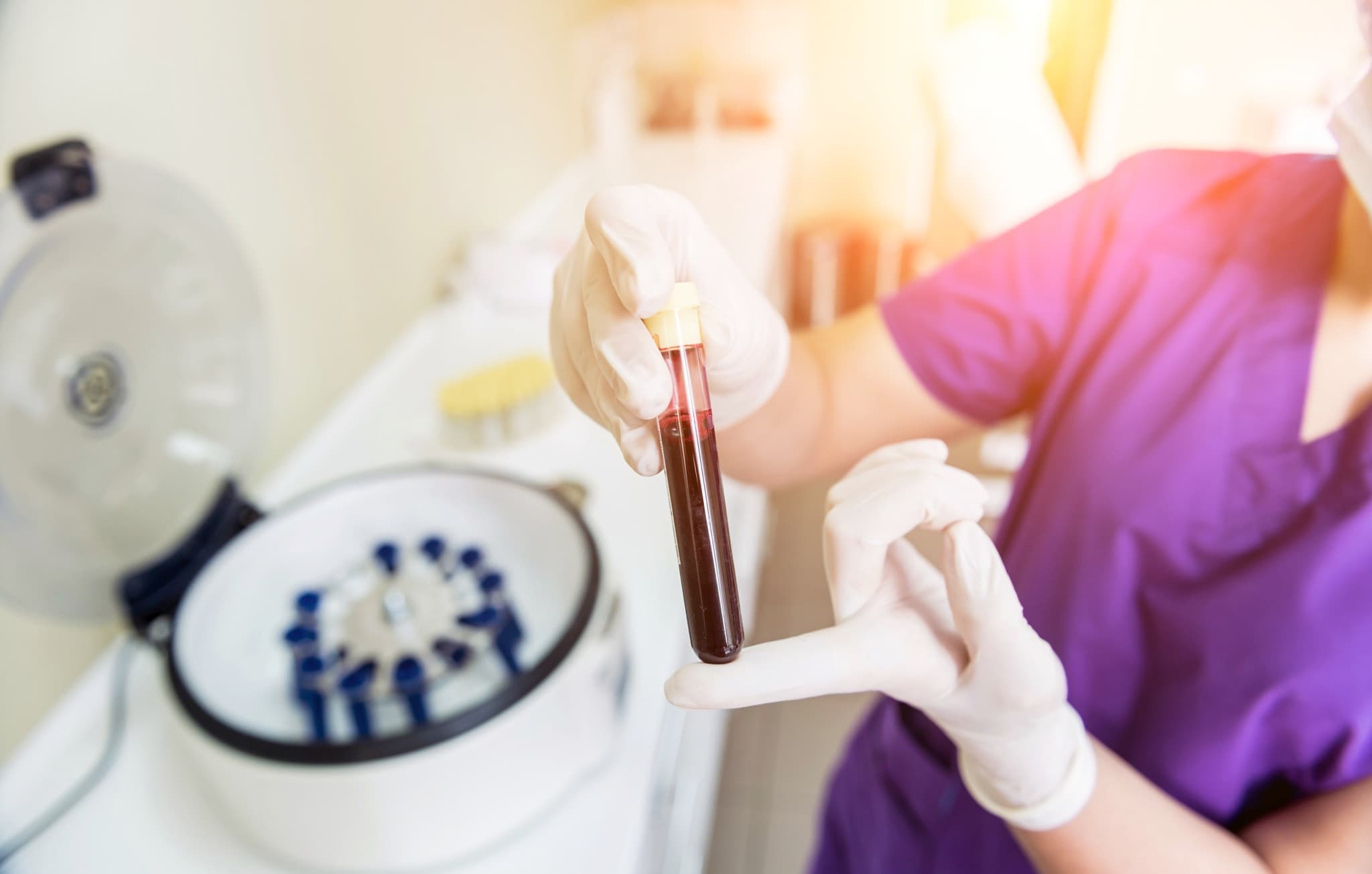
The technology behind Mytocel MSK has been used for years in other fields of medicine, where taking a small sample of a person’s own tissue and preparing it into micrografts is a well-established way to support natural repair. Mytocel MSK is that same approach, applied to joints and soft tissue.
It is made by Remedi and built on their Regenera Activa micrografting system. Professor Lee uses the Mytocel MSK version at London Cartilage Clinic in the same way the clinic uses ChondroFiller and other regenerative tools, choosing the right one for each joint.
A single outpatient injection under local anaesthetic. No general anaesthetic, no incision, no theatre and nothing grown in a laboratory.
The micrografts are made from a small sample of your own tissue, so there is no rejection risk and no donor material.
The underlying micrografting technology has a long track record in other fields. Mytocel MSK is its application to joints and soft tissue.
Everything happens in one appointment, using only your own tissue.
One session, in clinic
A small sample
A tiny piece of your own tissue is taken under local anaesthetic, in clinic.
Processed chair-side
The Regenera Activa system gently separates it into living micrografts, in minutes, in the same room.
Rich in repair cells
The micrografts hold your own progenitor cells and their natural matrix, ready to work.
Injected the same day
The micrografts are injected into the joint in the same appointment. Nothing is grown in a laboratory.
These figures describe the wider micrografting technology across medical fields, not London Cartilage Clinic’s own case numbers.
450,000+
procedures worldwide with the micrografting technology
80+
scientific publications behind the technology
10+ years
of clinical use across medical fields
A helpful way to think about it: the underlying micrografting method is the plain, well-proven base, used widely in other areas of medicine. Bringing it to musculoskeletal care, choosing the joints and the patients it helps, and combining it with the clinic’s other regenerative tools, is where Professor Lee’s work adds the value.
That is why Mytocel MSK is offered both on its own, for earlier wear, and as the cell component of NanoACi, where it is delivered alongside a scaffold and PRF in a single protocol.
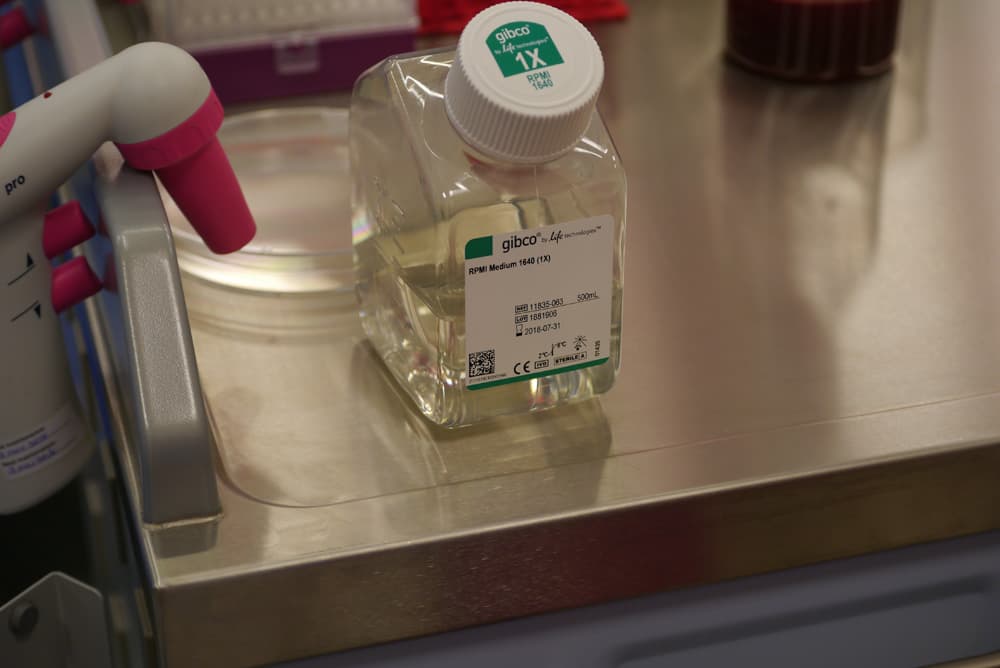
It is most often used for earlier joint wear, and it is not limited to the knee. What suits your joint is decided on examination and imaging.
Mild to moderate cartilage wear where the joint is worth protecting, most often in the knee.
The thumb base, where osteoarthritis (rhizarthrosis) is common, plus other small and large joints.
Musculoskeletal problems beyond cartilage, where your own repair cells can be put to work.
Mytocel MSK is the lighter-touch regenerative option, at its strongest for earlier wear. As wear advances, Professor Lee tends to recommend a fuller approach: ChondroFiller adds a scaffold, and NanoACi adds both a scaffold and PRF alongside the same micrografts. For bone-on-bone joints he may pair treatment with an Arthrosamid injection or discuss a replacement.
Compare the options directly: Mytocel MSK vs NanoACi, vs ChondroFiller and vs PRP.
The autologous micrografting technology behind Mytocel MSK has been studied in joint osteoarthritis by Marcarelli and colleagues (a three-year follow-up), by Tsoukas and colleagues (a prospective observational study) and by Helito and colleagues (a clinical pilot), with further work by Codorean and by Lacza. Professor Lee will explain what the evidence does and does not yet show for your particular joint.
See the full Mytocel MSK evidence page for the studies in detail.
Pricing
From £3,000 at London Cartilage Clinic. the same price across joints, confirmed at your consultation
You may have more options than you think
At London Cartilage Clinic we follow a structured clinical framework across four areas of treatment. Before recommending a single procedure, we assess which combination of approaches gives you the best outcome.
Protect what you have. Slow degeneration and manage symptoms.
Fix specific damage. Torn tissue, unstable joints, structural problems.
Rebuild lost tissue. Biological treatments that stimulate new growth.
When other options are exhausted. Joint replacement as a last resort.
This treatment can be applied across multiple joints. Select yours to see the full range of options we offer, organised by clinical approach.
Explore All Treatment Options
Mytocel MSK is a regenerative injection that uses your own cells. A small sample of your tissue is processed chair-side into living micrografts, rich in the repair cells your body already makes, and injected into the joint in a single session. It is the musculoskeletal application of an established autologous micrografting technology (Regenera Activa, made by Remedi).
No. It is an outpatient injection under local anaesthetic, start to finish in around thirty minutes. There is no general anaesthetic, no incision and no hospital stay, and nothing is grown in a laboratory over weeks.
PRP concentrates the growth factors in your blood. Mytocel MSK delivers living micrografts that carry your own repair cells and their natural surrounding matrix, not just signalling molecules. It is prepared in one session from your own tissue, without laboratory culture. Which injection suits you depends on your joint and your imaging.
No, though they are related. Mytocel MSK is a standalone treatment. In NanoACi, Professor Lee’s injection protocol, the Mytocel MSK micrografts are the cell component, delivered together with a ChondroFiller scaffold and PRF in one session. Mytocel MSK on its own suits earlier wear; NanoACi is the fuller protocol.
Professor Paul Lee at London Cartilage Clinic is among the first in the UK to offer the Mytocel MSK version of this technology. He is not the only clinician using autologous micrografting, but he was early to bring the Mytocel MSK application to musculoskeletal care here.
Mytocel MSK is at its strongest for earlier cartilage wear. For more advanced wear, Professor Lee usually recommends a fuller approach such as ChondroFiller or NanoACi, and for bone-on-bone joints he may add an Arthrosamid injection or discuss a joint replacement. What suits you is decided on examination and imaging.
Mytocel MSK is from £3,000, the same across joints, confirmed at your consultation. See the Mytocel MSK cost page.
Still have more specific concerns?
Free Discovery CallExplore Mytocel MSK
The full picture: who it suits, the evidence, cost, and how it compares with the alternatives.
Options that our doctors may discuss include NanoACi, ChondroFiller, Mytocel MSK, joint replacement, established conservative care or surgery, depending on examination and imaging.
Start with a free fifteen-minute discovery call, or book a consultation with Professor Lee and have your imaging reviewed. If you have not had a recent MRI, we can arrange your scan and appointment together.
London Cartilage Clinic
Clinical updates, cartilage treatment guidance, and recovery-focused articles from our specialist team.
A practical overview of cartilage repair, injection therapy, rehabilitation planning, and the clinical evidence that guides joint preservation care.
A practical overview of cartilage repair, injection therapy, rehabilitation planning, and the clinical evidence that guides joint preservation care.
A practical overview of cartilage repair, injection therapy, rehabilitation planning, and the clinical evidence that guides joint preservation care.