

Knee Cartilage
Demo Author One
Cartilage repair options for lasting joint health
A practical overview of cartilage repair, injection therapy, rehabilitation planning, and the clinical evidence that guides joint preservation care.

The full protocol and its cell component
Mytocel MSK is the cell component on its own; NanoACi delivers those same micrografts together with a scaffold and PRF. Here is how they differ.
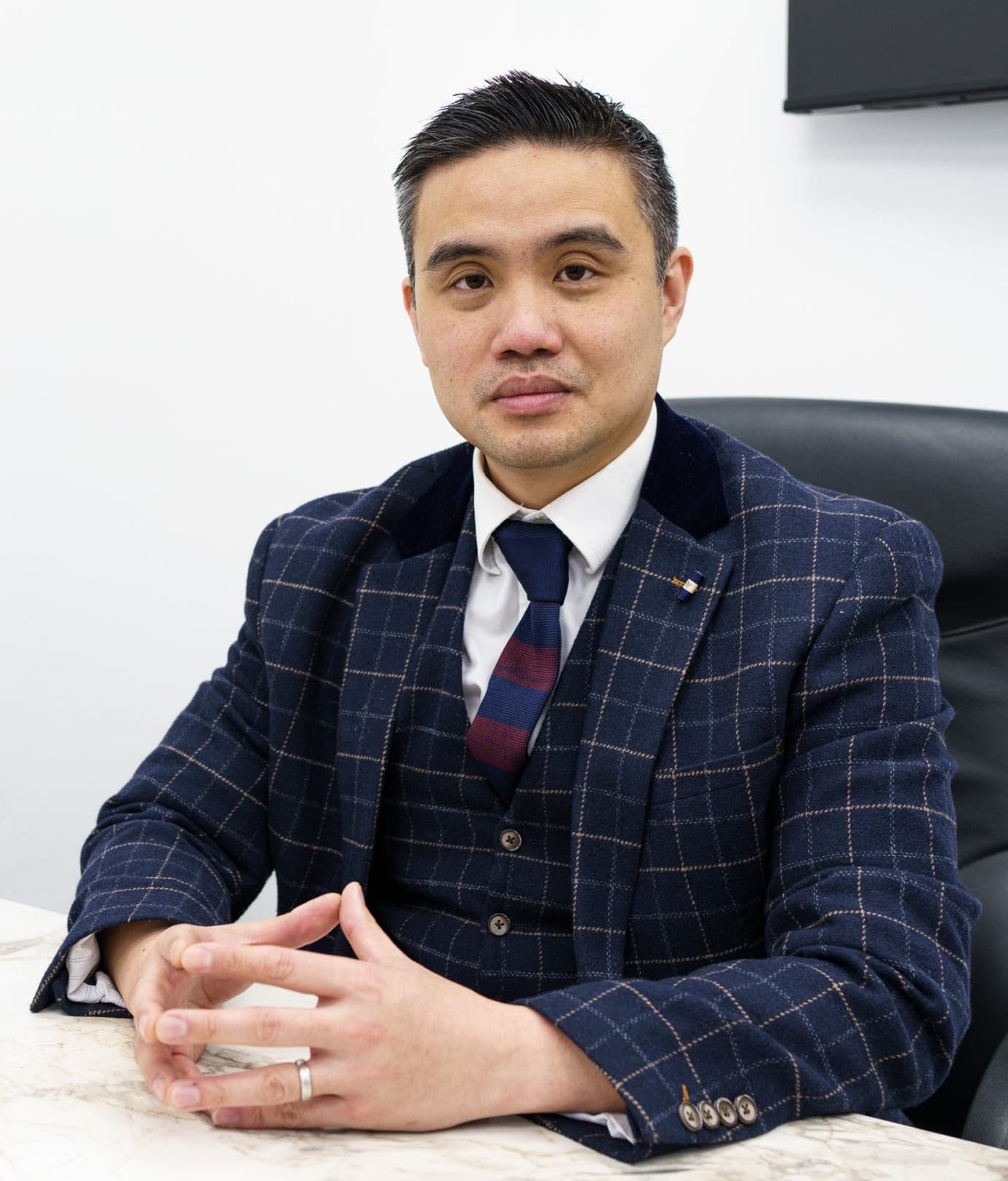 Reviewed byProfessor Paul Lee MBBch, FRCS (Tr & Orth), PhDCartilage and joint preservation expertise
Mytocel MSK is a standalone treatment: your own cells, prepared into living micrografts and injected in one session, the lighter-touch option for earlier wear, from £3,000. NanoACi is the fuller protocol: it takes those same Mytocel MSK micrografts, the cell component or “Seed”, and delivers them together with a ChondroFiller scaffold, the “Soil”, and PRF, the “Fertiliser”, in one session, £8,000. So this is really the cell component alone versus the full protocol.
Both are genuine options at London Cartilage Clinic. Both use your own tissue, one session and local anaesthetic; the difference is whether a scaffold and growth signals are added alongside the same cells.
| What to compare | Mytocel MSK | NanoACi |
|---|---|---|
| What it is | A standalone regenerative injection of your own cells, prepared into living micrografts | The fuller protocol: the same Mytocel MSK micrografts delivered with a ChondroFiller scaffold and PRF |
| The cell component | The cells on their own, the “Seed” | The same “Seed”, plus the “Soil” (a ChondroFiller scaffold) and the “Fertiliser” (PRF) |
| What it adds | Your own repair cells and their natural matrix | A collagen scaffold for the cells to build on and PRF growth signals to help new tissue take |
| Best suited to | Earlier, lighter cartilage wear where the joint is worth protecting | Wear where a scaffold and growth signals add value, across the range of wear |
| Your own tissue | Yes, entirely your own cells | Yes, your own cells, the scaffold placed the same visit and PRF from your own blood |
| The session | One outpatient session under local anaesthetic | One outpatient session under local anaesthetic |
| Available at London Cartilage Clinic | Yes, from £3,000 | Yes, £8,000, or £8,500 all-inclusive |
Both are genuine options at London Cartilage Clinic; NanoACi uses the same Mytocel MSK micrografts as its cell component.
This is really the cell component alone versus the full protocol, not two unrelated treatments. Mytocel MSK is a genuine standalone option, at its strongest for earlier, lighter wear, and for the right joint the cells on their own can be enough. NanoACi takes those same micrografts and adds a ChondroFiller scaffold for the cells to settle on and PRF to help new tissue take, which is worth it where the extra structure and growth signals add value. Neither is a product being sold; NanoACi is a technique Professor Lee performs, delivering your own cells, a scaffold and PRF in one session. Which one fits is set on your imaging and examination, and both are offered here.
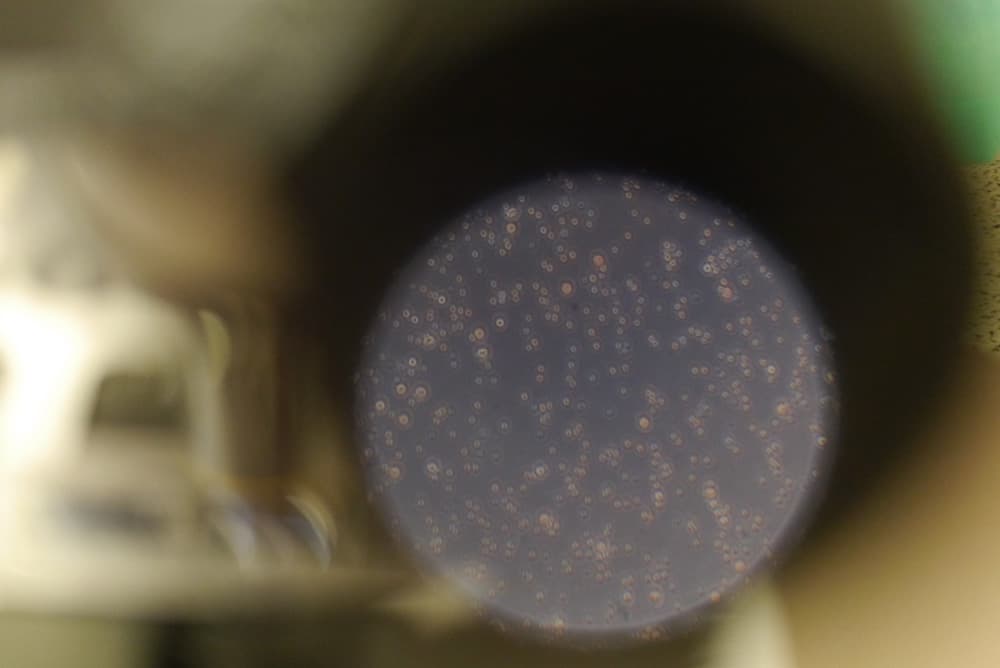

Mytocel MSK is a standalone treatment: your own cells, prepared into living micrografts and injected in one session. NanoACi is the fuller protocol: it takes those same Mytocel MSK micrografts, the cell component, and delivers them together with a ChondroFiller scaffold and PRF in a single session. In short, Mytocel MSK is the cell component on its own; NanoACi is the full protocol.
In a sense, yes, and Professor Lee is open about that. NanoACi uses the same Mytocel MSK micrografts as its “Seed”, then adds the “Soil”, a ChondroFiller scaffold, and the “Fertiliser”, PRF from your own blood. Mytocel MSK on its own suits earlier, lighter wear; NanoACi is worth the added components where a scaffold and growth signals add value. NanoACi is a technique Professor Lee performs, not a product, and everything delivered is your own tissue.
That depends on your joint, and it is decided on imaging and examination, not on symptoms alone. Mytocel MSK alone is often right for earlier, lighter wear; NanoACi is worth it where a scaffold and growth signals add value. Start with a free discovery call, then a consultation so Professor Lee can review your scans. See who NanoACi is for.
Yes. Both are made from your own cells, prepared in a single session under local anaesthetic, with nothing grown in a laboratory. NanoACi adds a ChondroFiller scaffold placed the same visit and PRF from your own blood. There is no donor material and no rejection risk with either.
Mytocel MSK is from £3,000, the same across joints. NanoACi is £8,000, or £8,500 all-inclusive, which covers an MRI scan, your consultation, the NanoACi session and a follow-up. See the NanoACi cost page for the detail.
Still have more specific concerns?
Free Discovery CallOptions that our doctors may discuss include NanoACi, ChondroFiller, Mytocel MSK, joint replacement, established conservative care or surgery, depending on examination and imaging.
Whether the cell component alone or the fuller protocol suits you is decided on your imaging. Start with a free discovery call, or book a consultation with Professor Lee to have your scans reviewed.
London Cartilage Clinic
Clinical updates, cartilage treatment guidance, and recovery-focused articles from our specialist team.
A practical overview of cartilage repair, injection therapy, rehabilitation planning, and the clinical evidence that guides joint preservation care.
A practical overview of cartilage repair, injection therapy, rehabilitation planning, and the clinical evidence that guides joint preservation care.
A practical overview of cartilage repair, injection therapy, rehabilitation planning, and the clinical evidence that guides joint preservation care.