

Knee Cartilage
Demo Author One
Cartilage repair options for lasting joint health
A practical overview of cartilage repair, injection therapy, rehabilitation planning, and the clinical evidence that guides joint preservation care.

Injection or keyhole surgery
NanoACi delivers your own cells on a scaffold by injection; STACI does it through keyhole surgery. They are complementary lanes, and imaging decides which fits your joint.
 Reviewed byProfessor Paul Lee MBBch, FRCS (Tr & Orth), PhDCartilage and joint preservation expertise
NanoACi and STACI both put your own cartilage cells onto a scaffold. NanoACi does it as a single injection in clinic, under local anaesthetic, with a light recovery. STACI, also called Liquid Cartilage Surgery, does it through keyhole day surgery, with a more concentrated delivery, suited to a focal, full-thickness defect in a surgical candidate. They are complementary lanes, not rivals, and the choice is made on your imaging.
Both are genuine options at London Cartilage Clinic. The injectable lane suits most people; STACI is the specialist exception, performed relatively rarely, for the specific focal, surgical case. Neither is “better”, and bone-on-bone wear does not rule NanoACi out.
| What to compare | STACI (surgery) | NanoACi (injection) |
|---|---|---|
| How it is delivered | Keyhole day-case surgery, single-stage, under general anaesthetic | A single injection in clinic, under local anaesthetic, in around thirty minutes |
| The biology | Your own cartilage cells placed on a scaffold, delivered surgically and more concentrated | Your own cartilage cells, a ChondroFiller scaffold and PRF, delivered together by injection |
| Where it happens | Operating theatre, as a day case | Outpatient clinic, no theatre stay |
| Best suited to | A focal, full-thickness cartilage defect with a healthy surround, in a surgical candidate | The range of cartilage wear, from focal damage through to advanced joints |
| Alignment correction | Can be combined with an alignment correction in the same operation | Injection only; any alignment issue is planned separately |
| Recovery | Staged rehabilitation over months, with protected weight-bearing | Much lighter; most people are back to light activity the same day |
| Bone-on-bone wear | Not the intended lane | Not excluded; often paired with an Arthrosamid injection |
| How often it is used | The specialist exception, performed relatively rarely for that specific profile | The common default lane for most people |
| Also known as | Liquid Cartilage Surgery (LCS) | Injectable cartilage regeneration |
| Available at London Cartilage Clinic | Yes, from £28,000 | Yes, £8,000, or £8,500 all-inclusive |
Both procedures are offered at London Cartilage Clinic; this is a genuine choice about your joint, not a takedown of either.
These are not two products competing for the same patient. They are two lanes of the same idea, using your own cartilage cells to rebuild a worn joint. NanoACi carries it by injection, in clinic, with a light recovery, and is the common default for most people. STACI carries it surgically, in a single stage, with a more concentrated delivery and the option of an alignment correction, and it is the right answer for a focal, full-thickness defect in a surgical candidate. Because Professor Lee offers both, the consultation is a genuine “which suits your joint”, settled on your imaging, not a sales pitch for one.
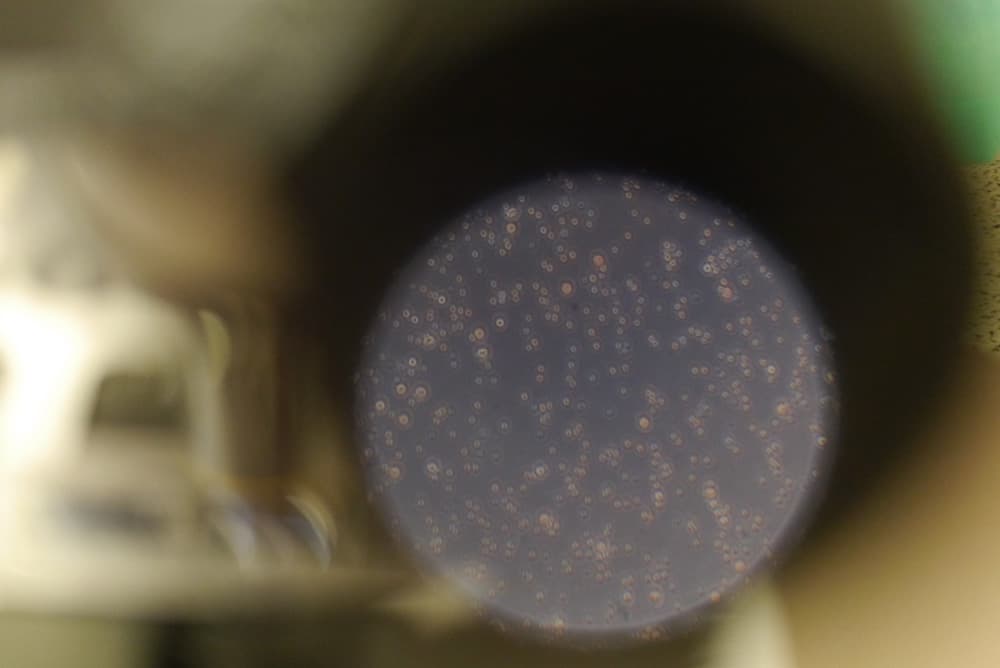

Neither is simply better. Both deliver your own cartilage cells on a scaffold; the difference is how. NanoACi does it by injection in clinic, and STACI does it through keyhole surgery. They are complementary lanes, not rivals, and the right one is chosen on your imaging rather than from symptoms. For most people the injectable lane fits; STACI suits the specific focal, surgical case.
STACI is a single-stage keyhole operation under general anaesthetic, placing cells and a scaffold with a more concentrated, surgical delivery, and it can be combined with an alignment correction. NanoACi delivers your own cells, a ChondroFiller scaffold and PRF together as a single injection in clinic, under local anaesthetic, in around thirty minutes. NanoACi is a technique Professor Lee performs, not a product, and its recovery is much lighter.
Yes. STACI is also called Liquid Cartilage Surgery, or LCS. It is the surgical member of the cartilage cell therapy family and, at London Cartilage Clinic, the specialist exception: performed relatively rarely, for a focal, full-thickness defect with a healthy surround in a joint worth a single-stage operation. See the full STACI page.
Not necessarily. Advanced, bone-on-bone wear does not rule NanoACi out, and it is not the case that STACI is the only route. In that situation Professor Lee will usually discuss NanoACi together with an Arthrosamid injection to cushion the joint, or a joint replacement review, and set out the honest trade-offs. What suits you is decided on examination and imaging.
NanoACi is £8,000, or £8,500 all-inclusive, which covers an MRI scan, your consultation, the session and a follow-up. STACI, as a keyhole operation, is from £28,000, all-inclusive. The two prices reflect an outpatient injection versus a day-case operation. See the NanoACi cost page.
Still have more specific concerns?
Free Discovery CallOptions that our doctors may discuss include NanoACi, ChondroFiller, Mytocel MSK, joint replacement, established conservative care or surgery, depending on examination and imaging.
Because both lanes are offered here, the fairest next step is a review of your imaging. Start with a free discovery call, or book your MRI and consultation together so Professor Lee can advise which fits your joint.
London Cartilage Clinic
Clinical updates, cartilage treatment guidance, and recovery-focused articles from our specialist team.
A practical overview of cartilage repair, injection therapy, rehabilitation planning, and the clinical evidence that guides joint preservation care.
A practical overview of cartilage repair, injection therapy, rehabilitation planning, and the clinical evidence that guides joint preservation care.
A practical overview of cartilage repair, injection therapy, rehabilitation planning, and the clinical evidence that guides joint preservation care.